Best Cheap Hosting & VPS Providers in 2026 (Budget-Friendly but Powerful)
Introduction
Finding cheap hosting is easy. Finding cheap hosting that actually performs well? That’s where things get tricky.
Most beginners make one of two mistakes. Either they go for the absolute cheapest option and suffer from slow speeds and downtime, or they overspend on premium hosting before their website even earns a single dollar.
The sweet spot lies somewhere in between—hosting that is affordable but still reliable enough to support growth.
In this guide, we’ll go beyond marketing claims and look at what actually matters when choosing cheap hosting or VPS in 2026. No hype, no unnecessary jargon—just practical insights you can use immediately.
What Makes a Hosting Provider “Cheap but Good”?
Price alone doesn’t define value. A hosting plan might cost $2/month but fail in performance, making it expensive in the long run.
A good cheap hosting provider should offer:
- Stable uptime (at least 99.9%)
- Decent loading speed
- Transparent pricing
- Reliable customer support
- Easy scalability
If any of these are missing, the “cheap” option can quickly become frustrating.
Shared Hosting vs VPS Providers
Before diving into providers, it’s important to understand what you’re comparing.
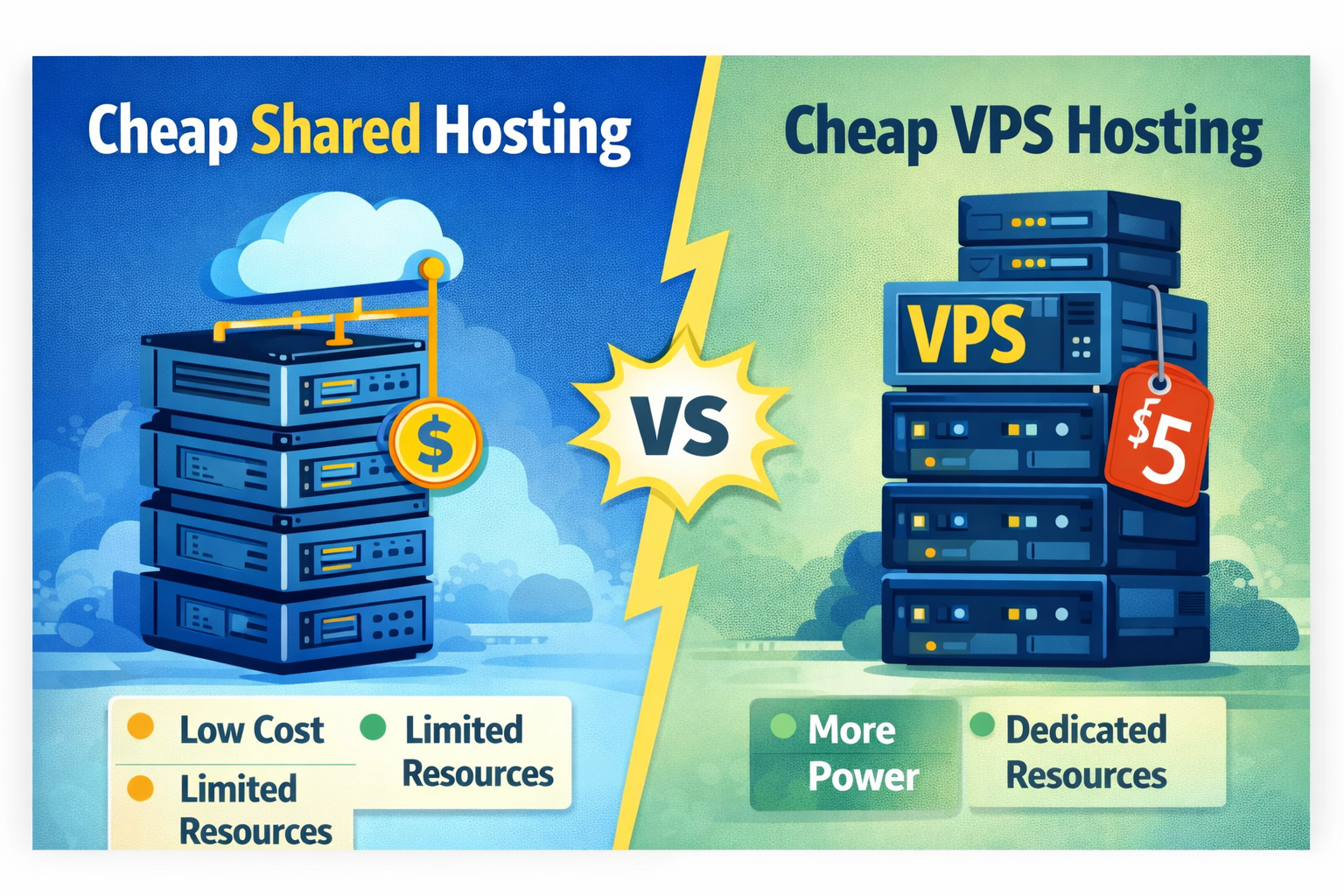
Shared hosting providers focus on simplicity and affordability. They’re designed for beginners who want a quick setup.
VPS providers, even cheap ones, are more performance-focused. They give you dedicated resources and better control, making them suitable for growing websites.
The right provider depends on your stage, not just your budget.
Top Cheap Shared Hosting Providers
1. Hostinger – Best Overall Value
Hostinger has become one of the most popular choices for budget hosting, and for good reason.
It offers a combination of low pricing, fast performance, and a clean interface that doesn’t overwhelm beginners. Even at entry-level plans, you get decent speed and uptime.
What stands out is its balance. It’s not just cheap—it actually works well for real websites.
2. Namecheap Hosting – Simple and Affordable
Namecheap is widely known for domains, but its hosting services are also quite competitive.
It’s a good choice if you want something straightforward without unnecessary complexity. The pricing is transparent, and it integrates well with domain management.
However, performance is average compared to some competitors, so it’s better suited for smaller projects.
3. Bluehost (Entry Plans) – Beginner Friendly
Bluehost is often recommended for beginners because of its easy setup and integration with WordPress.
While not always the cheapest, its introductory offers make it accessible. It’s ideal for users who want a guided experience without technical complications.
That said, renewal pricing can be higher, so it’s important to plan ahead.
Top Cheap VPS Providers
1. DigitalOcean – Developer Favorite
DigitalOcean is one of the most well-known VPS providers, especially among developers.
It offers flexible pricing and powerful performance, even at lower tiers. You can start small and scale as needed.
The downside is that it requires some technical knowledge. It’s not as beginner-friendly as shared hosting.
2. Vultr – Balanced Performance and Cost
Vultr provides a strong mix of affordability and performance. It offers multiple server locations and consistent speed.
It’s a good option if you want VPS benefits without spending too much. Like DigitalOcean, it requires some setup knowledge.
3. Linode – Reliable and Stable
Linode is known for its stability and straightforward pricing. It may not be the cheapest, but it offers consistent performance and good support.
For users who want reliability without surprises, it’s a solid choice.
Comparison Table: Shared Hosting vs VPS Providers
| Feature | Shared Hosting Providers | VPS Providers |
|---|---|---|
| Starting Price | Very Low ($2–$5) | Low ($5–$15) |
| Ease of Use | Very Easy | Moderate |
| Performance | Basic to Moderate | High |
| Control | Limited | Full |
| Best For | Beginners | Growing Websites |
| Scalability | Limited | High |
Pros and Cons of Cheap Hosting Providers
Pros
- Extremely affordable
- Easy setup
- No technical knowledge required
- Good for beginners
Cons
- Limited performance
- Shared resources
- Not ideal for high traffic
- Renewal costs can increase
Pros and Cons of Cheap VPS Providers
Pros
- Better speed and performance
- Dedicated resources
- More control
- Scalable
Cons
- Requires technical understanding
- Slightly higher cost
- Setup can take time
Real-World Insight: What Most People Don’t Realize
Many beginners believe that hosting alone determines success. That’s not true.
A fast server won’t help if your content is poor. At the same time, great content can struggle on a slow server.
The goal is balance. You don’t need the best hosting—you need hosting that matches your current needs.
In most cases, shared hosting is enough for starting. The real upgrade should happen when your traffic demands it, not before.
Hidden Costs You Should Watch
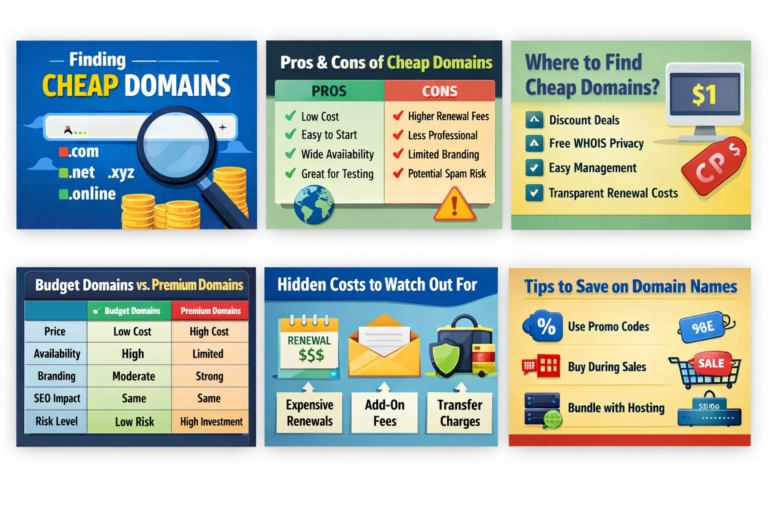
Cheap hosting often comes with hidden pricing tricks.
The most common one is low introductory pricing followed by higher renewal costs. Always check what you’ll pay after the first term.
Another hidden cost is add-ons. Many providers try to sell extras like backups, security tools, and email services during checkout.
While some of these can be useful, most beginners don’t need them immediately.
How to Choose the Right Provider
Instead of asking “Which is the cheapest?”, ask these questions:
- How much traffic do I expect?
- Do I need technical control?
- Am I building long-term or testing ideas?
If your goal is to start quickly and learn, go with shared hosting.
If you already have traffic or want performance from day one, consider a cheap VPS.
When to Upgrade from Shared Hosting to VPS
There are clear signs that it’s time to upgrade:
- Your website is slowing down
- Traffic is increasing
- You need custom configurations
- You’re running advanced tools
Ignoring these signs can limit your growth and affect user experience.
Practical Recommendation
For most beginners, starting with a reliable shared hosting provider is the best decision. It keeps things simple and affordable.
Once your website starts growing, moving to a VPS becomes a logical next step.
This approach minimizes risk while allowing flexibility.
Final Thoughts
Cheap hosting and VPS options have made it easier than ever to start a website. You don’t need a big budget to build something meaningful online.
The key is not choosing the cheapest option blindly, but choosing the right one for your situation.
Start simple, focus on growth, and upgrade when necessary. That’s the strategy that works—not just in theory, but in real-world results.