Affordable Web Hosting in 2026 — How to Save Money Without Sacrificing Performance
Introduction: The Myth of “Cheap Means Low Quality”
When people hear the phrase “cheap hosting,” they often assume slow servers, frequent downtime, and poor customer support. But in 2026, that assumption is increasingly outdated. The hosting industry has evolved dramatically, and many budget-friendly providers now offer features that rival premium services—if you know what to look for.
This article explores how to choose cost-effective hosting without compromising reliability. We’ll break down key features, compare real-world options, and examine a case study to show how small businesses can thrive on a tight budget.

Understanding What “Cheap Hosting” Really Means
Before diving into comparisons, it’s important to clarify what “cheap” actually refers to.
Cheap hosting doesn’t necessarily mean the lowest possible price. Instead, it means:
- High value for money
- Essential features included
- Scalability without hidden costs
Many users fall into the trap of choosing the absolute cheapest plan, only to discover limitations like bandwidth caps, hidden renewal fees, or lack of support.
Types of Budget Hosting Options
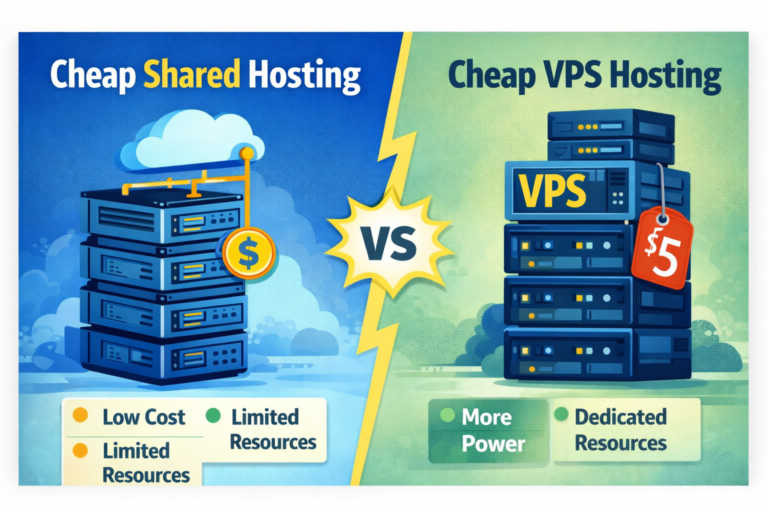
1. Shared Hosting
This is the most affordable and widely used option.
Best for:
- Beginners
- Small blogs
- Portfolio websites
How it works:
Multiple websites share the same server resources, reducing costs for everyone.
2. Cloud Hosting (Entry-Level Plans)
Cloud hosting has become surprisingly affordable.
Best for:
- Growing websites
- Startups expecting traffic spikes
Key benefit:
You only pay for what you use, making it flexible and cost-efficient.
3. Managed WordPress Hosting (Budget Tier)
Some providers now offer low-cost managed solutions.
Best for:
- Non-technical users
- Bloggers and content creators
Real Example Comparison Table
Below is a realistic comparison of popular budget hosting plans in 2026:
| Feature | Provider A (Budget Shared) | Provider B (Cloud Starter) | Provider C (WP Managed Lite) |
|---|---|---|---|
| Monthly Price | $2.99 | $5.00 | $6.99 |
| Storage | 50 GB SSD | 30 GB SSD | 20 GB SSD |
| Bandwidth | Unmetered | Pay-as-you-go | Unmetered |
| Free Domain | Yes (1 year) | No | Yes |
| SSL Certificate | Free | Free | Free |
| Customer Support | 24/7 Chat | Ticket-based | 24/7 Priority |
| Uptime Guarantee | 99.9% | 99.95% | 99.9% |
| Scalability | Limited | High | Medium |
Key Features to Look for in Cheap Hosting
1. Uptime Guarantee
Even budget hosting should offer at least 99.9% uptime. Anything lower can hurt your website’s credibility.
2. Speed Optimization
Look for:
- SSD storage
- Built-in caching
- CDN integration
These features significantly improve performance without extra cost.
3. Transparent Pricing
Some providers advertise low initial prices but charge significantly more on renewal. Always check:
- Renewal rates
- Hidden fees
- Add-on costs
4. Customer Support
Cheap hosting doesn’t mean you should compromise on support. Ideally, you want:
- 24/7 live chat
- Knowledge base access
- Quick response times
Pros and Cons of Cheap Hosting
Pros
1. Cost-Effective
Perfect for startups and individuals with limited budgets.
2. Beginner-Friendly
Most plans include easy setup tools like one-click installers.
3. Bundled Features
Free SSL, domain names, and email accounts are often included.
Cons
1. Limited Resources
Shared environments can slow down during peak traffic.
2. Upselling
Many providers push add-ons that increase total cost.
3. Performance Variability
Speed may fluctuate depending on server load.
Common Mistakes to Avoid
Choosing Based on Price Alone
The cheapest plan isn’t always the best. Always consider performance and support.
Ignoring Renewal Costs
A $2.99/month plan may renew at $9.99/month. Always calculate long-term costs.
Overlooking Scalability
If your site grows, you’ll need more resources. Choose a provider that allows easy upgrades.
Case Study: A Small E-commerce Startup
Background
A small online clothing store launched with a limited budget of $100 for hosting annually. The owner chose a shared hosting plan costing $3/month.
Challenges Faced
- Slow loading times during sales
- Occasional downtime
- Limited storage for product images
Solution
After six months, the business upgraded to an entry-level cloud hosting plan.
Changes made:
- Migrated to scalable infrastructure
- Implemented caching tools
- Optimized images
Results
- Page load time reduced by 40%
- Downtime nearly eliminated
- Sales increased by 25%
Key Takeaway
Starting cheap is fine—but planning for growth is essential.
How to Maximize Value from Cheap Hosting
Use Lightweight Themes and Plugins
Heavy themes can slow down your site, especially on shared hosting.
Optimize Images
Large images consume bandwidth and slow loading speeds.
Enable Caching
Caching reduces server load and improves performance significantly.
Monitor Performance
Use tools to track uptime and speed so you can act quickly if issues arise.
When Cheap Hosting Is NOT Enough
There comes a point when budget hosting no longer meets your needs.
Signs You Need an Upgrade:
- Traffic exceeds 50,000 monthly visitors
- Frequent downtime
- Slow checkout process (for e-commerce)
At this stage, investing in VPS or premium cloud hosting becomes necessary.

Final Thoughts
Cheap hosting in 2026 is no longer synonymous with poor quality. With the right approach, you can build a fast, reliable website without spending a fortune.
The key lies in understanding your needs, comparing features—not just prices—and planning for future growth. Whether you’re starting a blog, launching a startup, or running a small business, affordable hosting can be a powerful foundation if chosen wisely.